
What is a Cold Air Plug? Causes and How to Prevent It

If you have a wood-burning stove or fireplace, you might have heard the term cold air plug. It’s a common issue that can affect the performance of your chimney, reduce heating efficiency, and even cause smoke to back up into your home. Let’s take a closer look at what a cold air plug is, why it happens, and how you can prevent it.

What is a Cold Air Plug?

A cold air plug occurs when cold air becomes trapped in your chimney or flue, blocking the natural flow of warm air and smoke. This “corking” effect disrupts the draft, making it harder for your stove or fireplace to heat your home effectively.

In short, it’s a blockage of airflow that keeps warm air from rising and can make your home feel colder than it should.

Why is a Cold Air Plug a Problem?

Cold air plugs aren’t just inconvenient—they can also pose safety and efficiency issues:
  • Reduced Heating Efficiency: Warm air struggles to escape, meaning your stove has to work harder to heat your home, which can increase energy consumption.

  • Smoke and Fumes: Blocked airflow can cause smoke or harmful gases to enter your living space, creating a potential health hazard.

  • Fireplace Performance: Cold air plugs can make fires harder to light, reduce burn quality, and leave more soot and creosote buildup in your chimney.
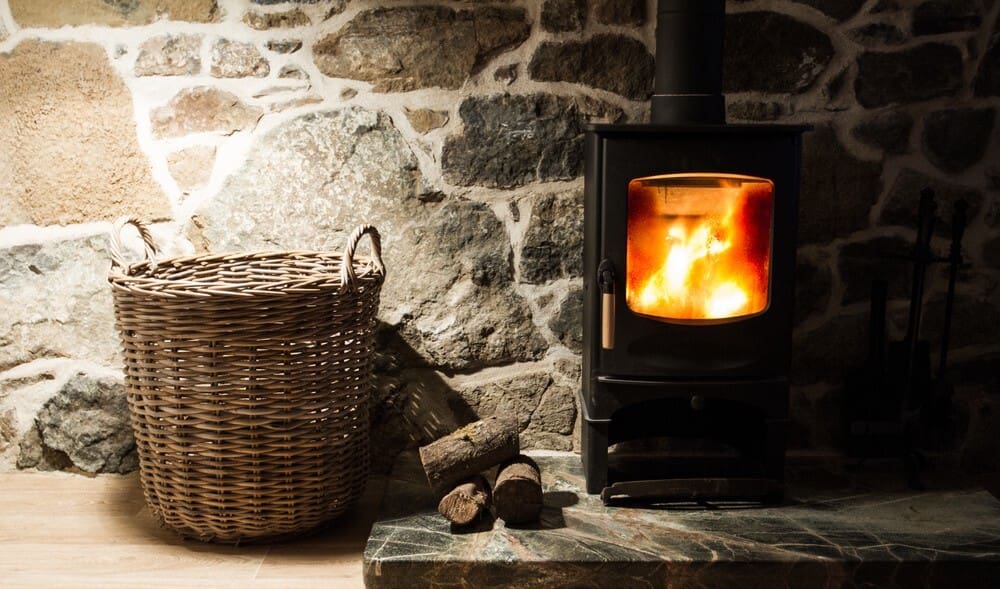
Woodburner

Common Causes of a Cold Air Plug in Chimneys

Cold air plugs are most often linked to chimney design, maintenance issues, or seasonal changes. Common causes include:

  • Chimney Downdrafts: Cold air entering the chimney from outside can push back against the rising warm air, creating a plug.
  • Obstructions in the Flue: Soot, creosote buildup, or debris like leaves and nests can partially block airflow.
  • Poorly Installed Dampers: A damper that is stuck or incorrectly installed can trap cold air in the flue.
  • Cold Flue Temperature: In colder months, the chimney may take longer to warm up, causing a temporary cold air plug at the base.
  • Incorrect Chimney Size: A flue that is too large or too small for the fireplace or stove can affect the airflow and lead to plugs.

How to Prevent a Cold Air Plug

Keeping your chimney well-maintained and your stove in regular use are key ways to prevent cold air plugs:

  1. Professional Sweeps: Regular chimney cleaning removes creosote, soot, and debris, keeping the flue clear for optimal airflow.
  2. Regular Use of the Stove: During colder months, using your stove more frequently helps maintain airflow in the chimney. Warm air moving through the flue reduces the chance of cold air settling and forming a plug.
  3. Check for Blockages: Sometimes a suspected cold air plug is actually caused by debris, creosote buildup, or even bird nests. Routine chimney inspections and cleaning will ensure your stove runs safely and efficiently.
  4. Ensure Proper Draft: Make sure your damper is functioning correctly and fully open when the stove is in use. This helps maintain a consistent draft and prevents cold air from collecting at the base of the flue.

A cold air plug might seem like a minor inconvenience, but it can reduce the efficiency of your fireplace, make your home less warm, and even cause smoke to enter your living space. Regular maintenance by a professional chimney sweep is the best way to prevent cold air plugs and keep your chimney safe and efficient.

If you notice any signs of cold air plug, don’t hesitate to seek professional help. Call us today on 01983 866830

Contact Us Today For A Free Quote